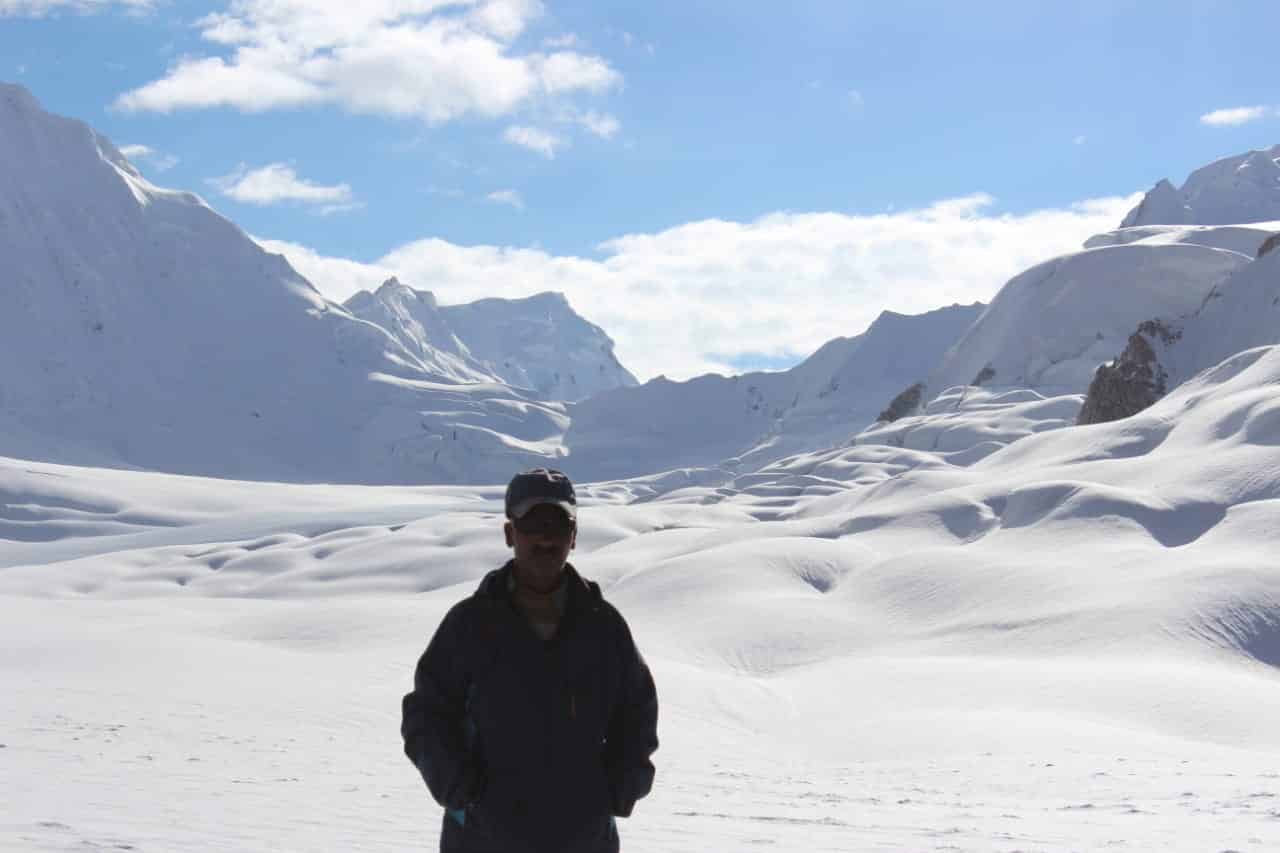
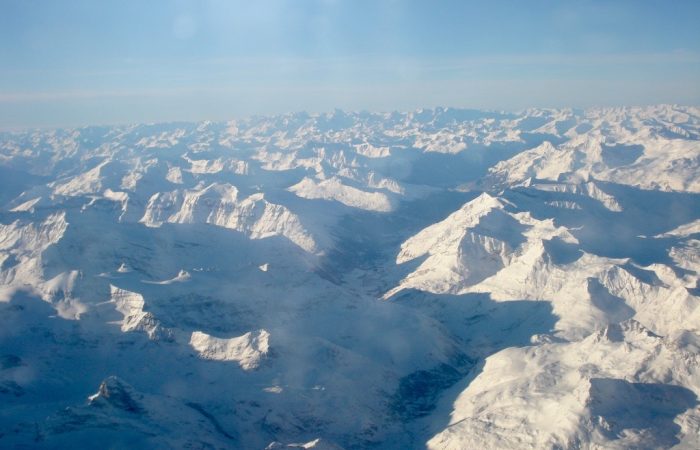
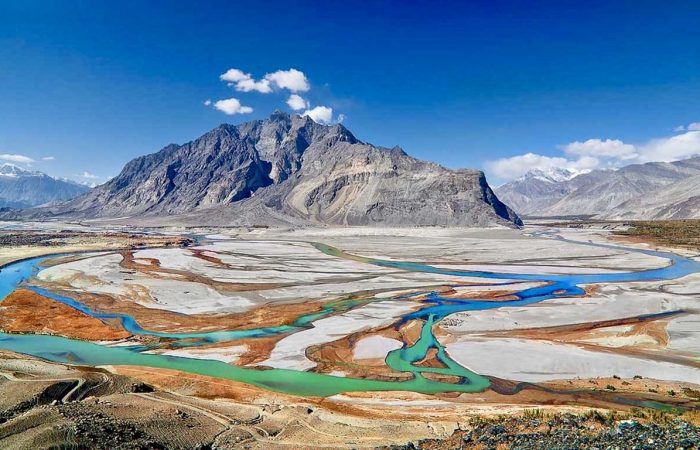
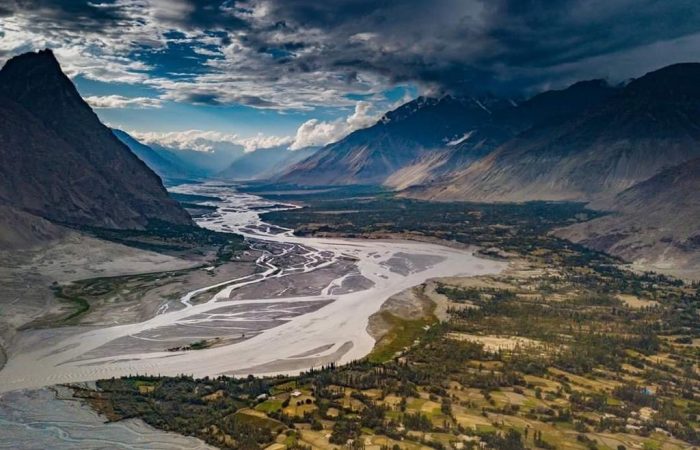
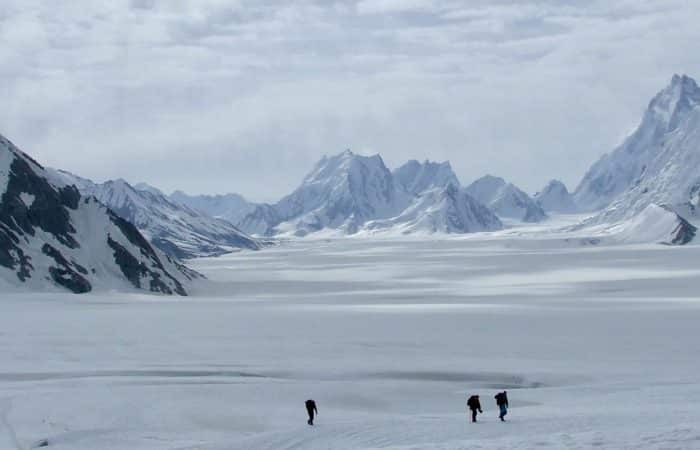
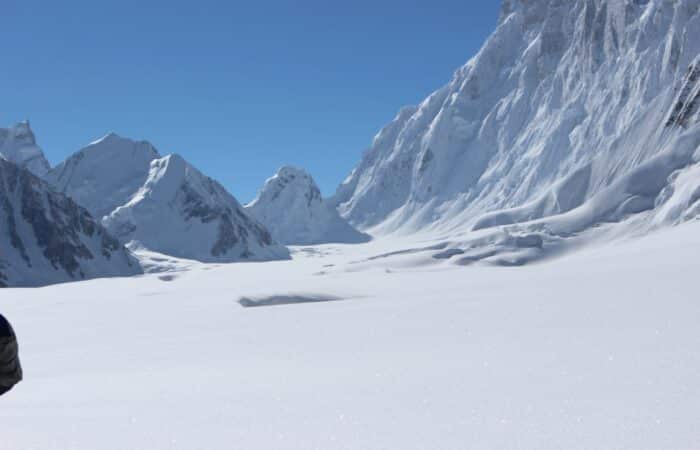
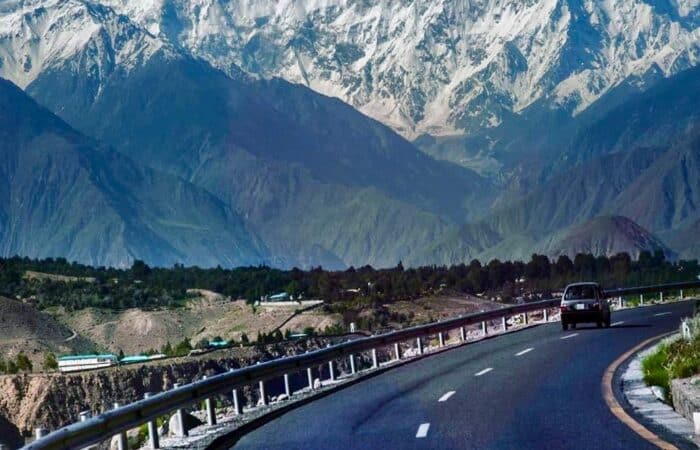
Snow Lake – Hispar La trek in Pakistan is one of the most scenic trekking spots for skiers, mountaineers, trekkers and adventure holiday makers. Snow Lake is a high-altitude 16km wide glacial basin situated at the head of Biafo Glacier and Hispar Glacier in Gilgit-Baltistan, Pakistan. The basin lies 16000 feet above sea level behind the Hispar la pass in the Karakoram mountain range. These two glaciers link up at Hispar la, making the greatest concentration of glacial ice outside the Polar region. The icy rivers connect two ancient mountain kingdoms. One of which is Baltistan in the east and Hunza in the west. Snow Lake-Hispar La trek is also known as the Snow Lake and Biafo Hispar trek. These two glaciers link up at Hispar la, making the greatest concentration of glacial ice outside the Polar region. The icy rivers connect two ancient mountain kingdoms. One of which is Baltistan in the east and Hunza in the west.
At a distance, this northern region of Pakistan is the last refuge for several animals, including markhor, ibex, Himalayan bear, and the snow leopard. Individuals from all around the globe come here to explore this place. Martin Conway was the first foreign visitor in 1892, who gave the Snow Lake name to this place. He said about this site as “beyond all comparison the finest view of mountains it has ever been my lot to behold.”
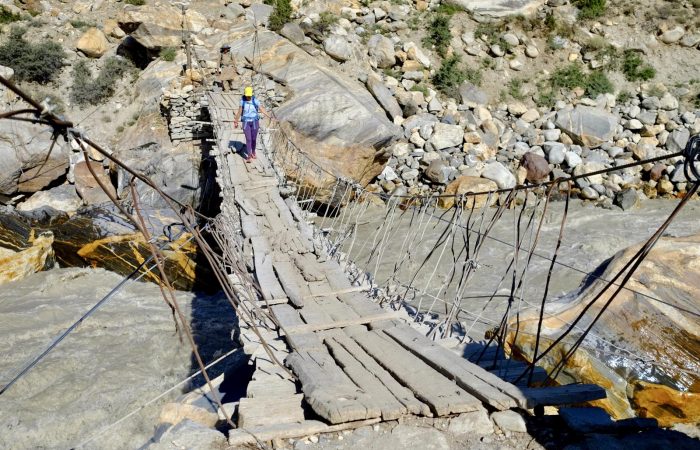
Another mountaineer, Eric Shipton, described this area in his words as “the last blank on the map. ” Snow Lake is a very arduous trek for trekking enthusiasts, and only about two hundred trekkers reach here per year.
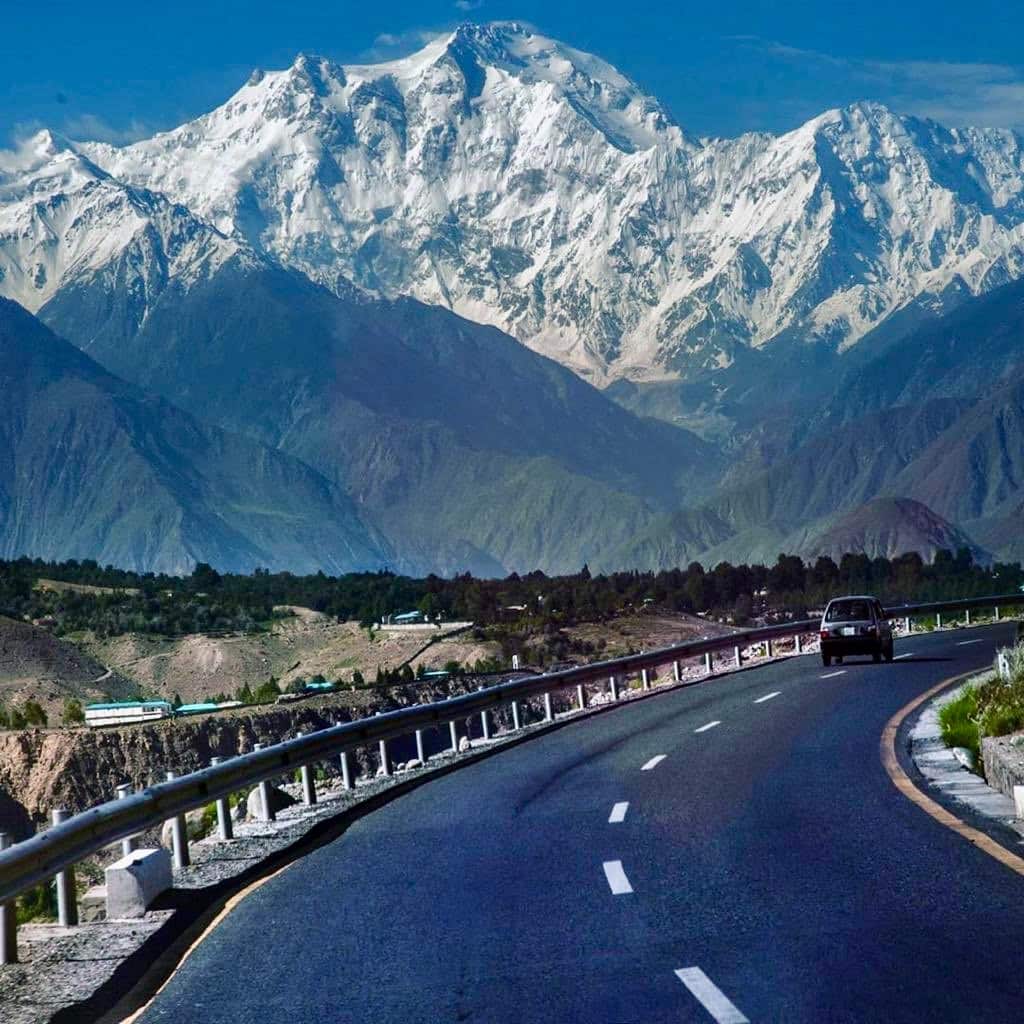
Makrong Chhish (6,607m), Kanjut Sar (7,760m), and Distaghil Sar (7,885 m) are the high cliffs of the Karakoram placed at a height above these icebergs. The Latok group comprises small peaks such as Latok I, north-central, 7145m, Latok II, west, 7108m, Latok III, east, 6949m, and Latok IV, southeast, 6456m. The Latok lies to the east side of the Ogre group in the Karakoram Range of Pakistan. Britons Doug Scott and Chris Bonington were the first who climb Ogre in 1977. While descending from Ogre, Scott broke both of his legs, and it almost took a week to arrive at the base camp because the descent was just epic.
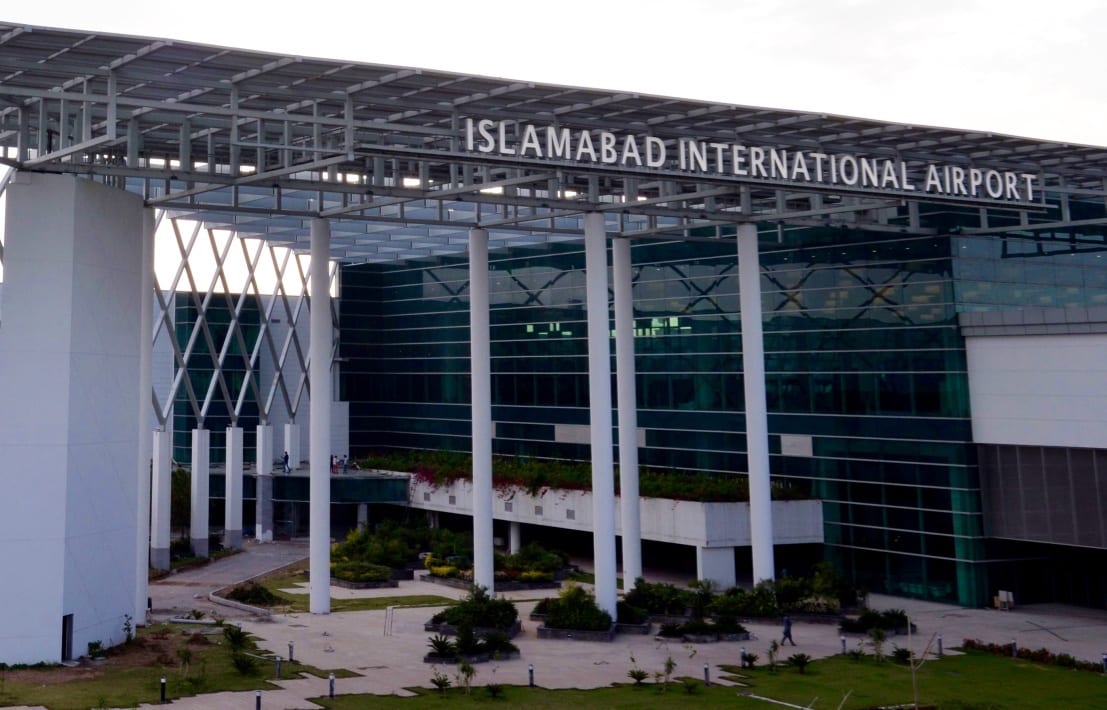
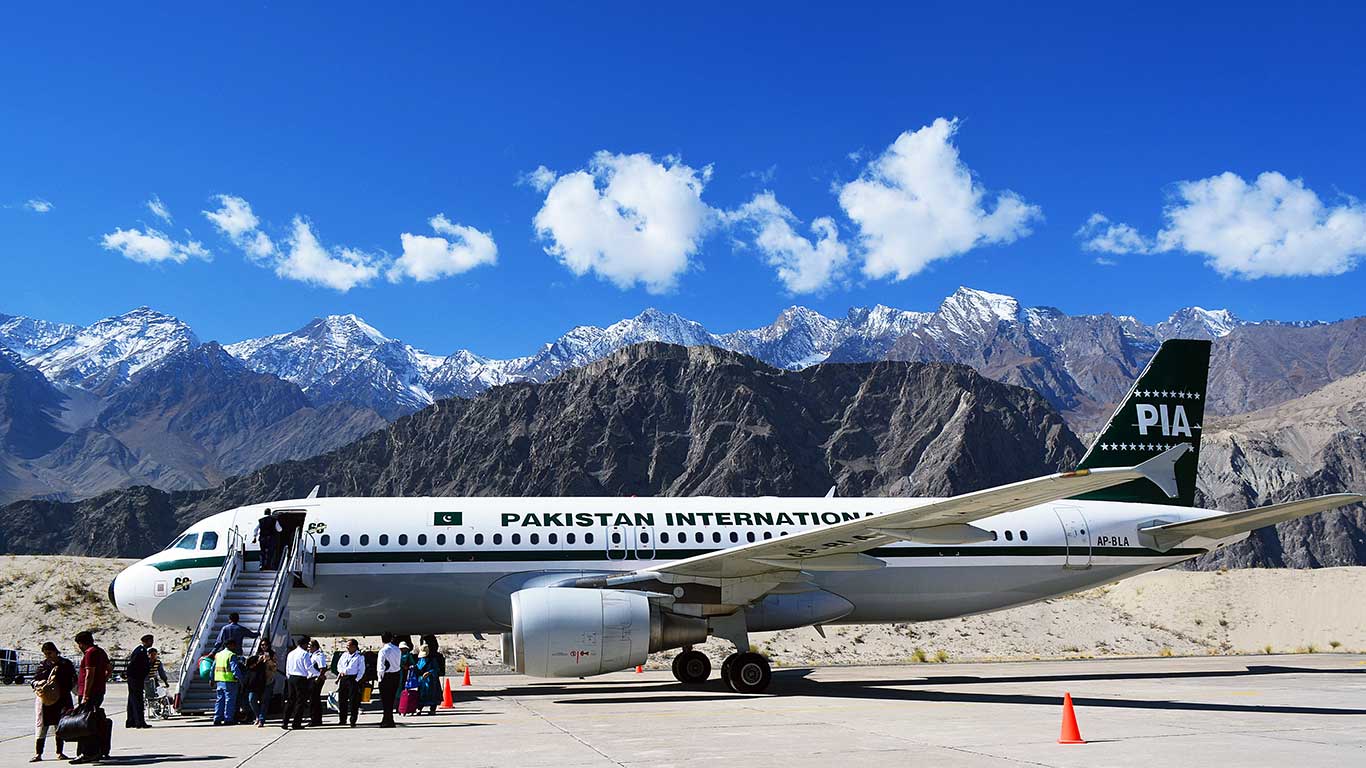
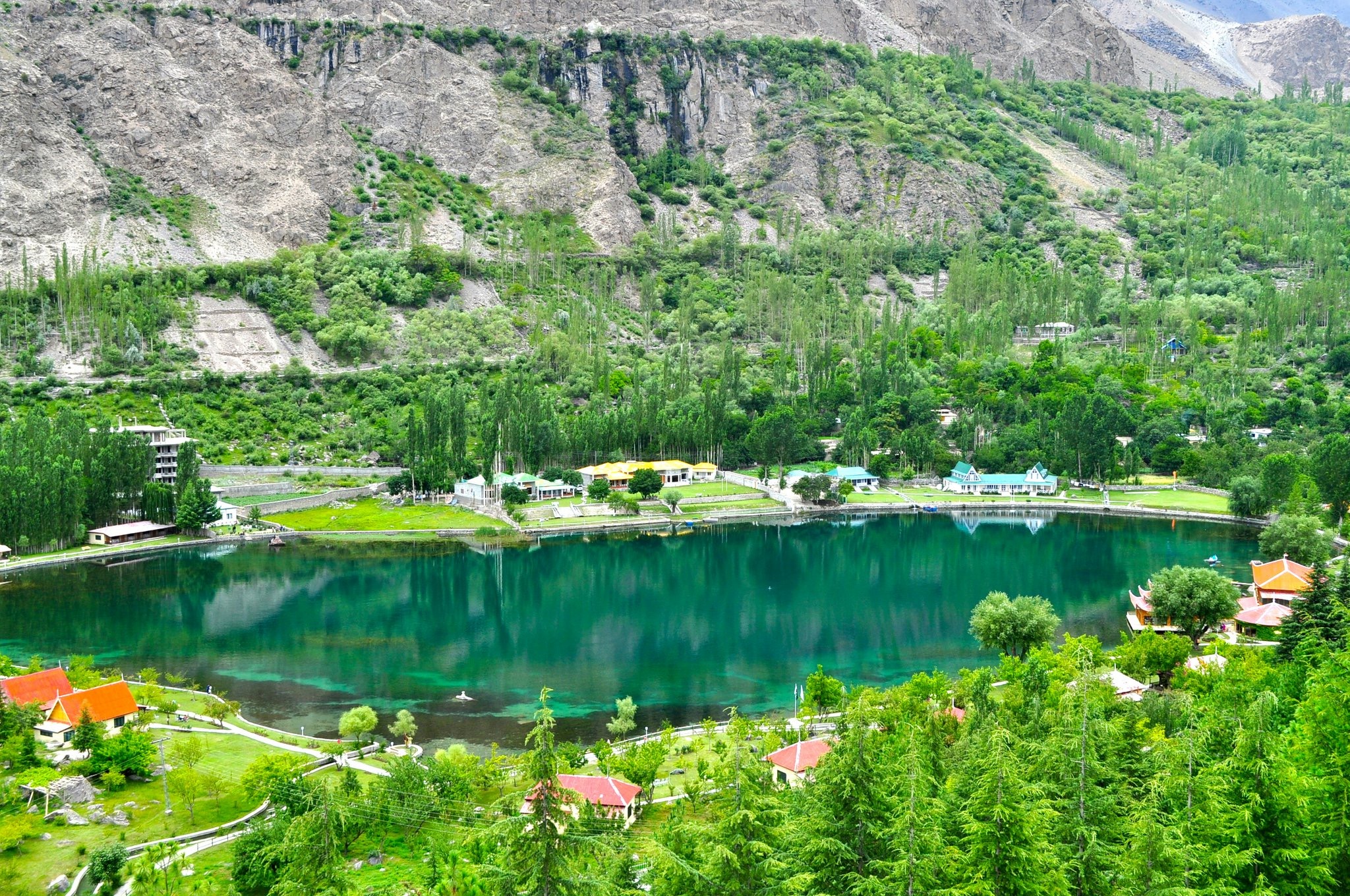
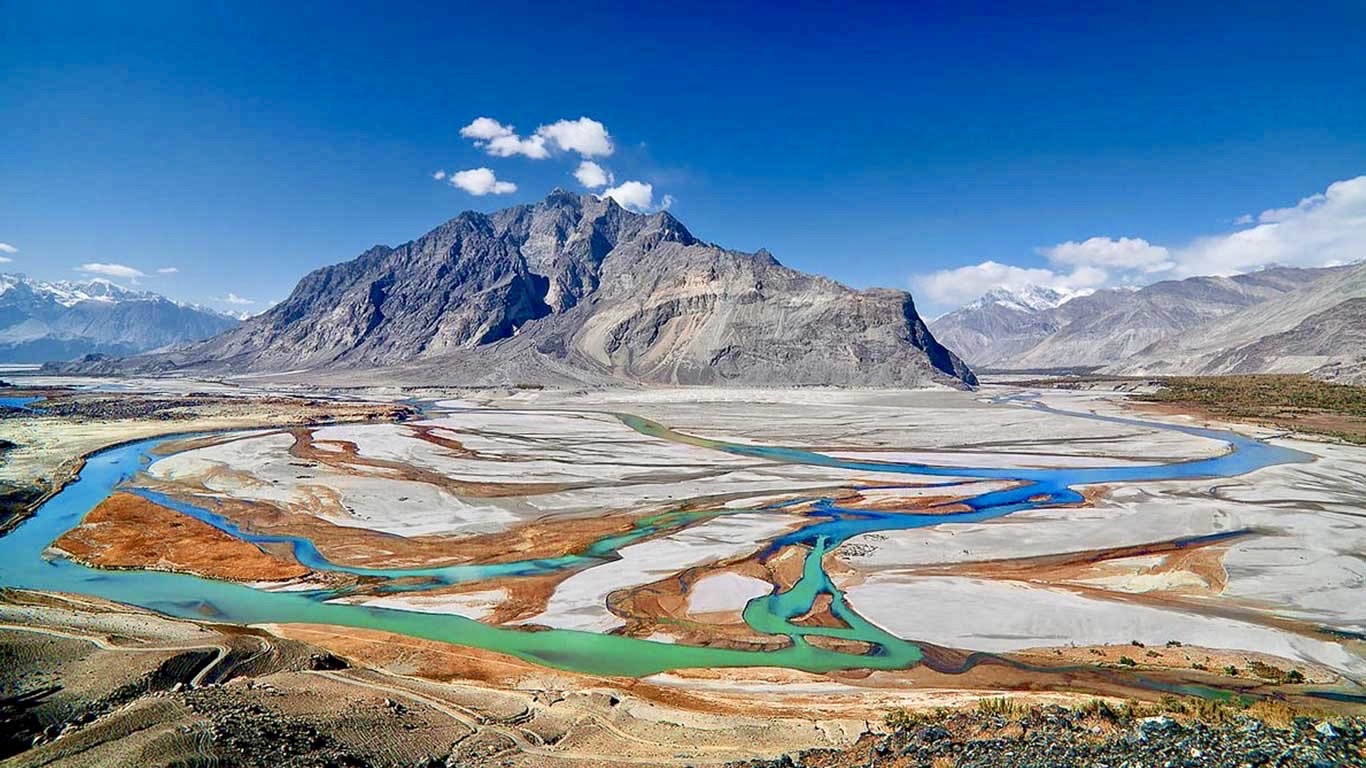
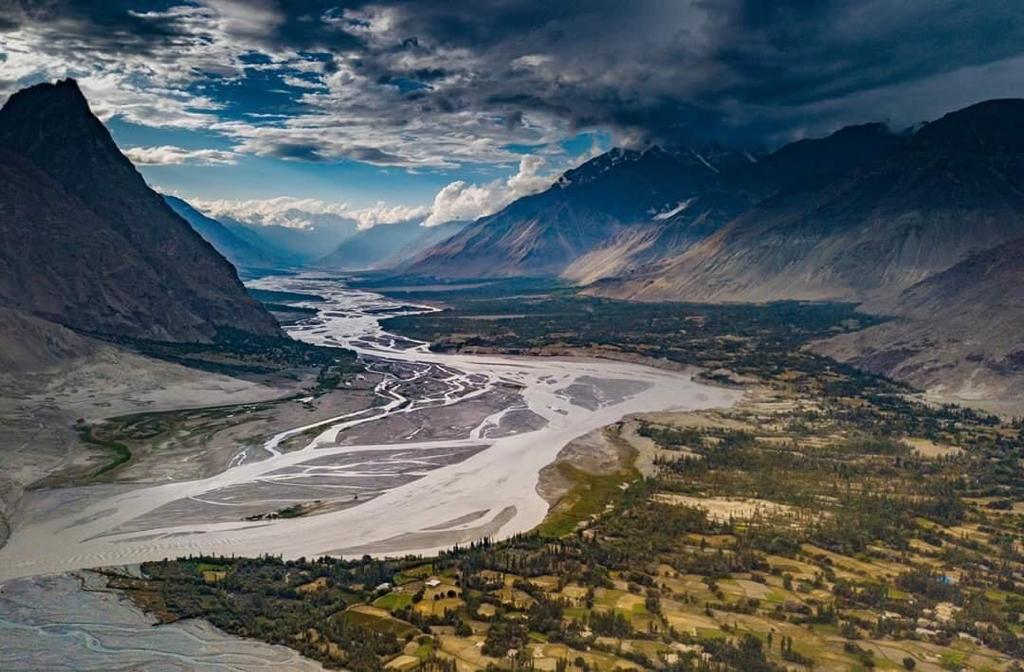
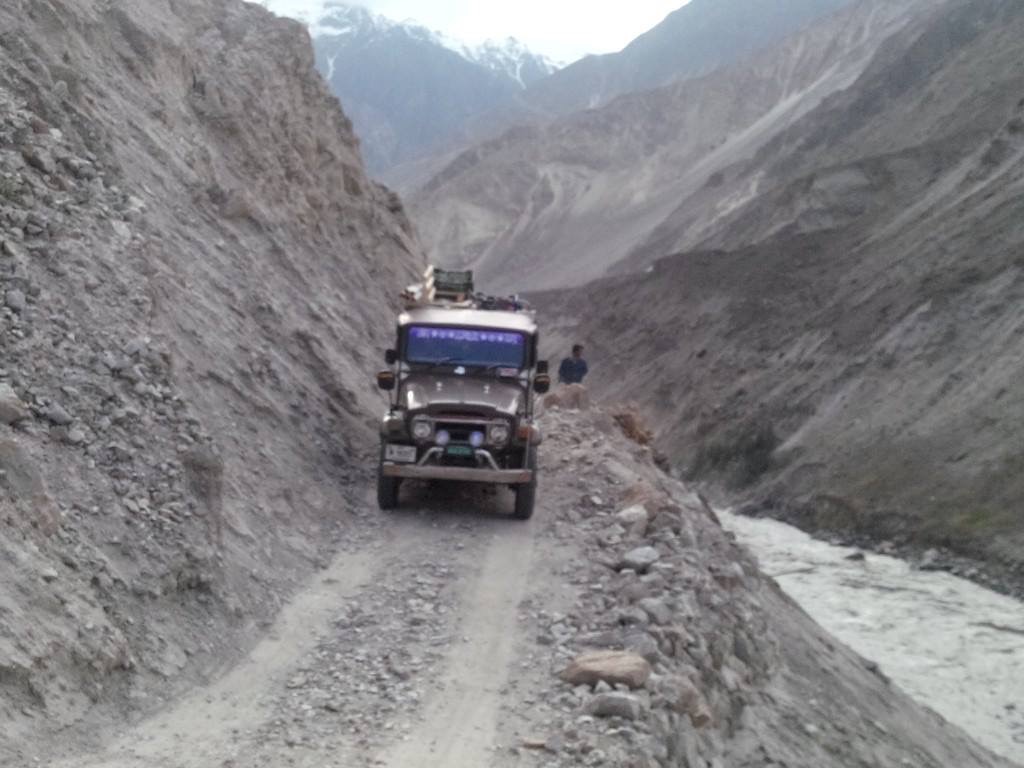
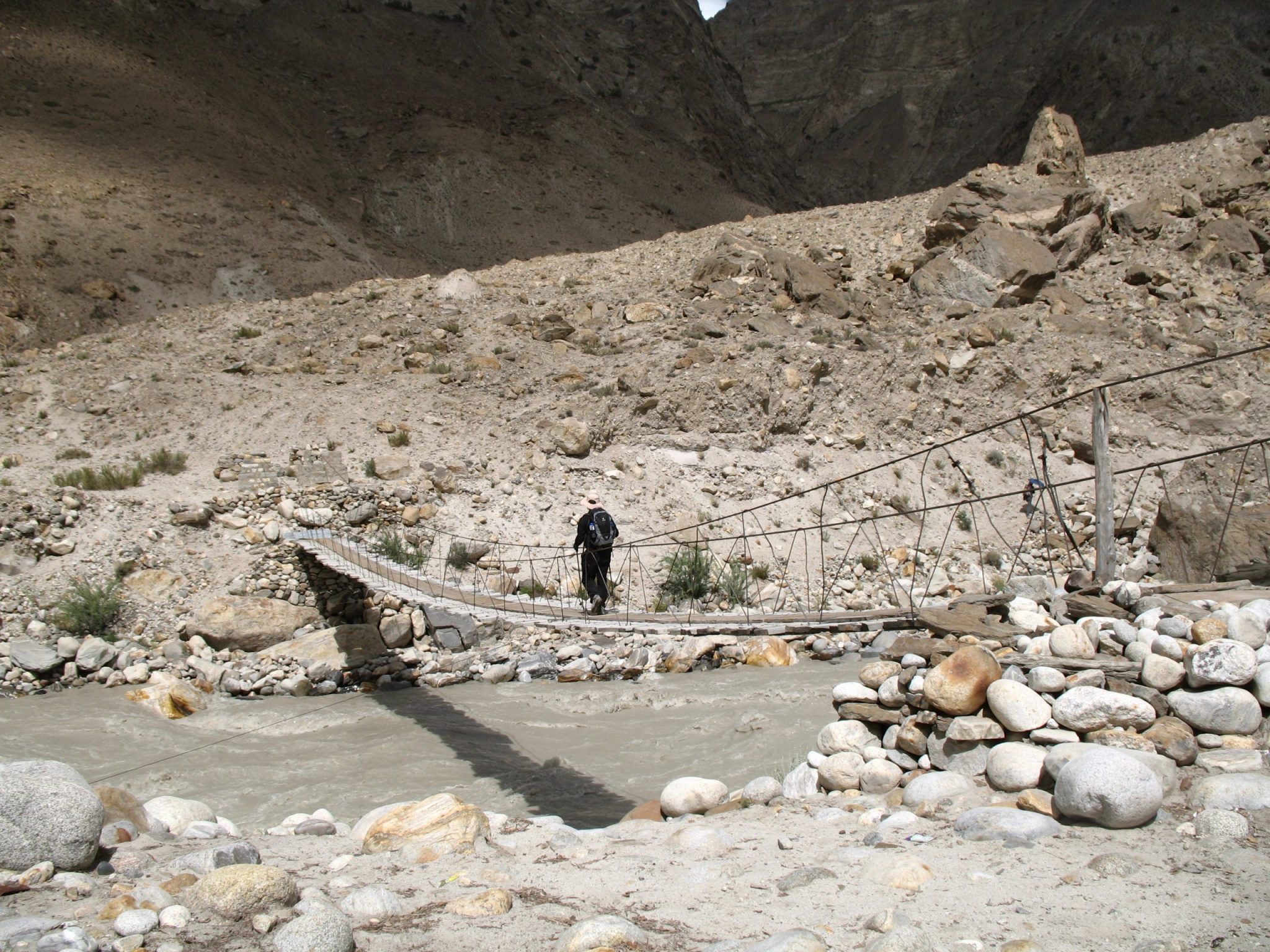
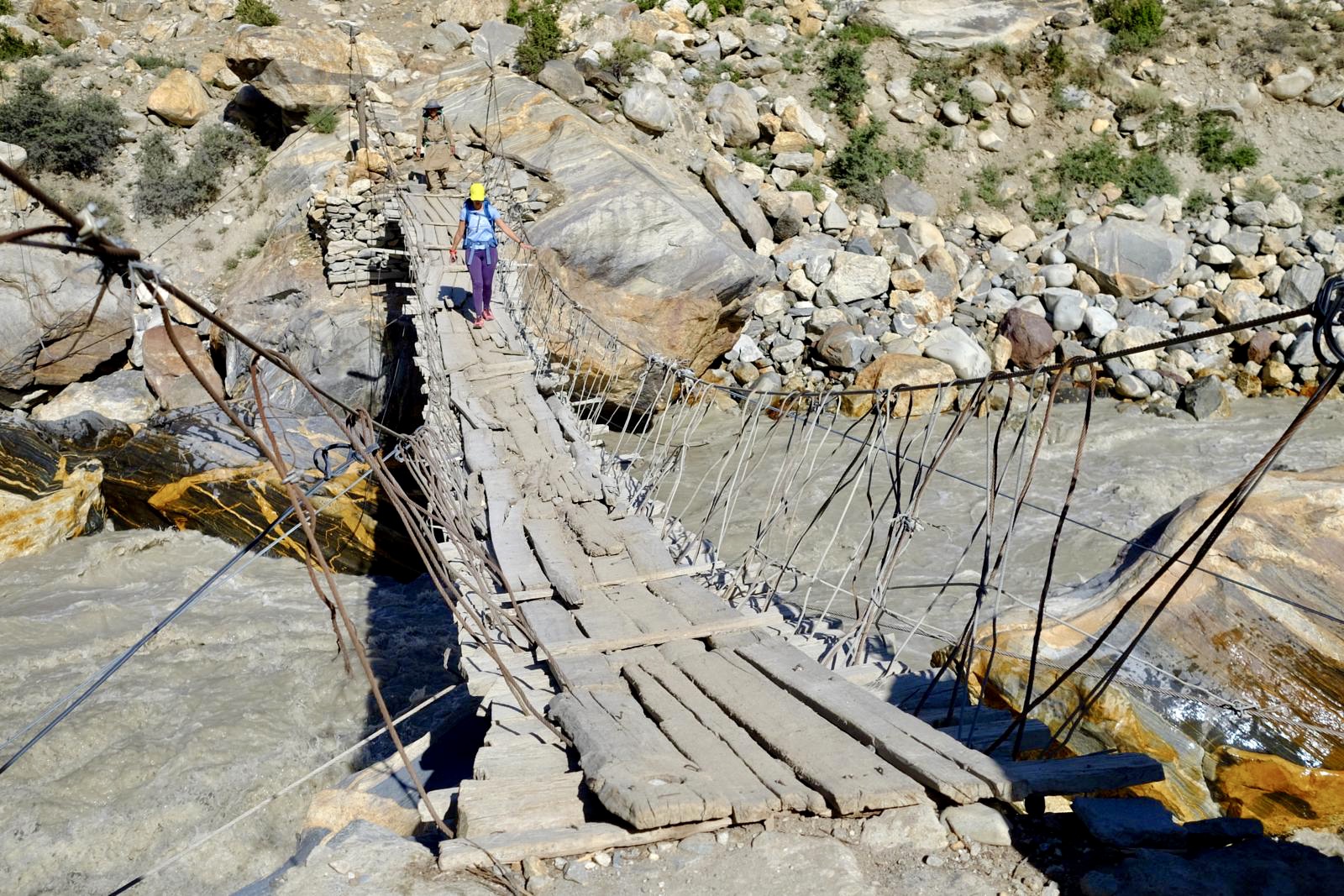
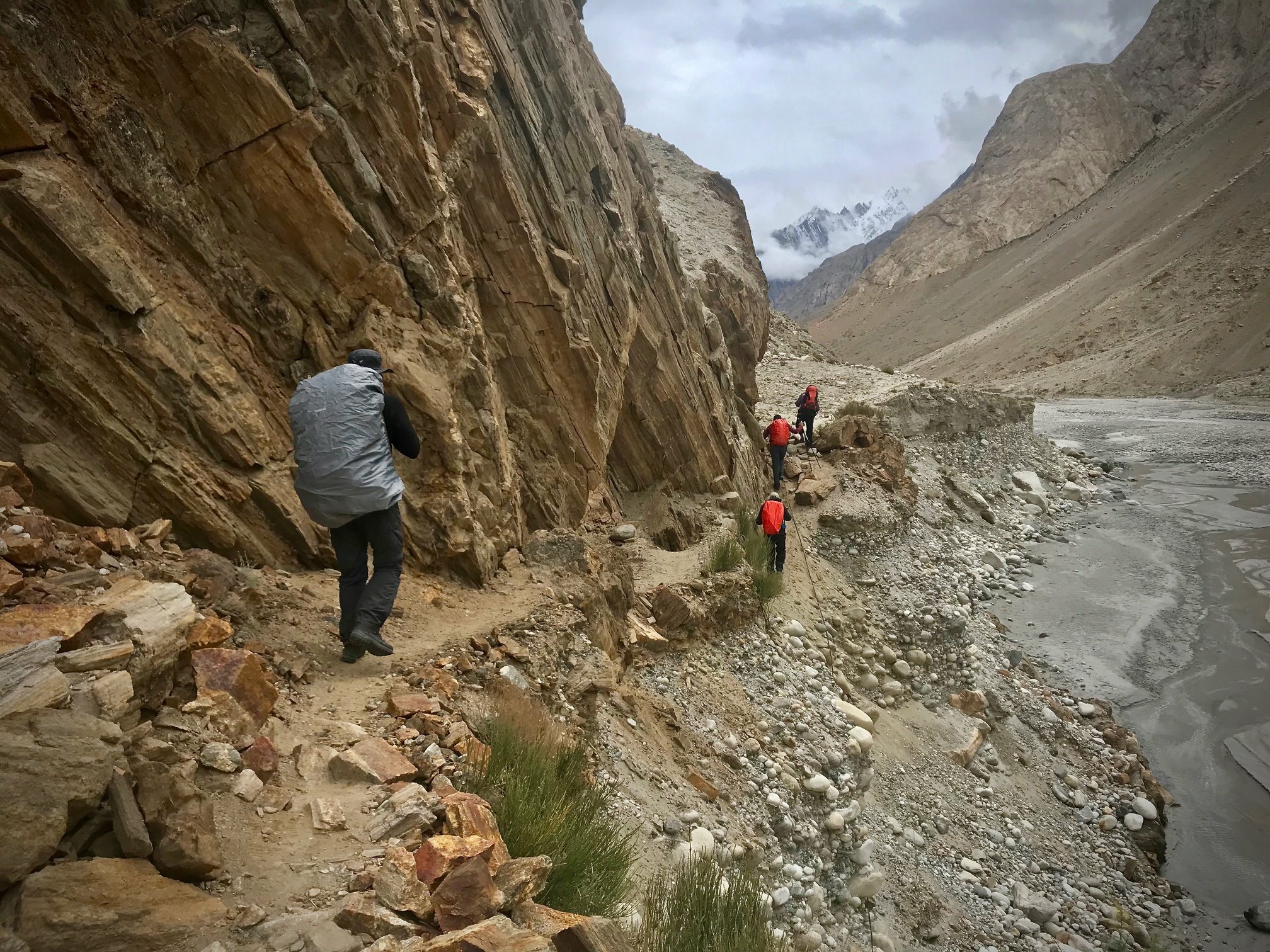
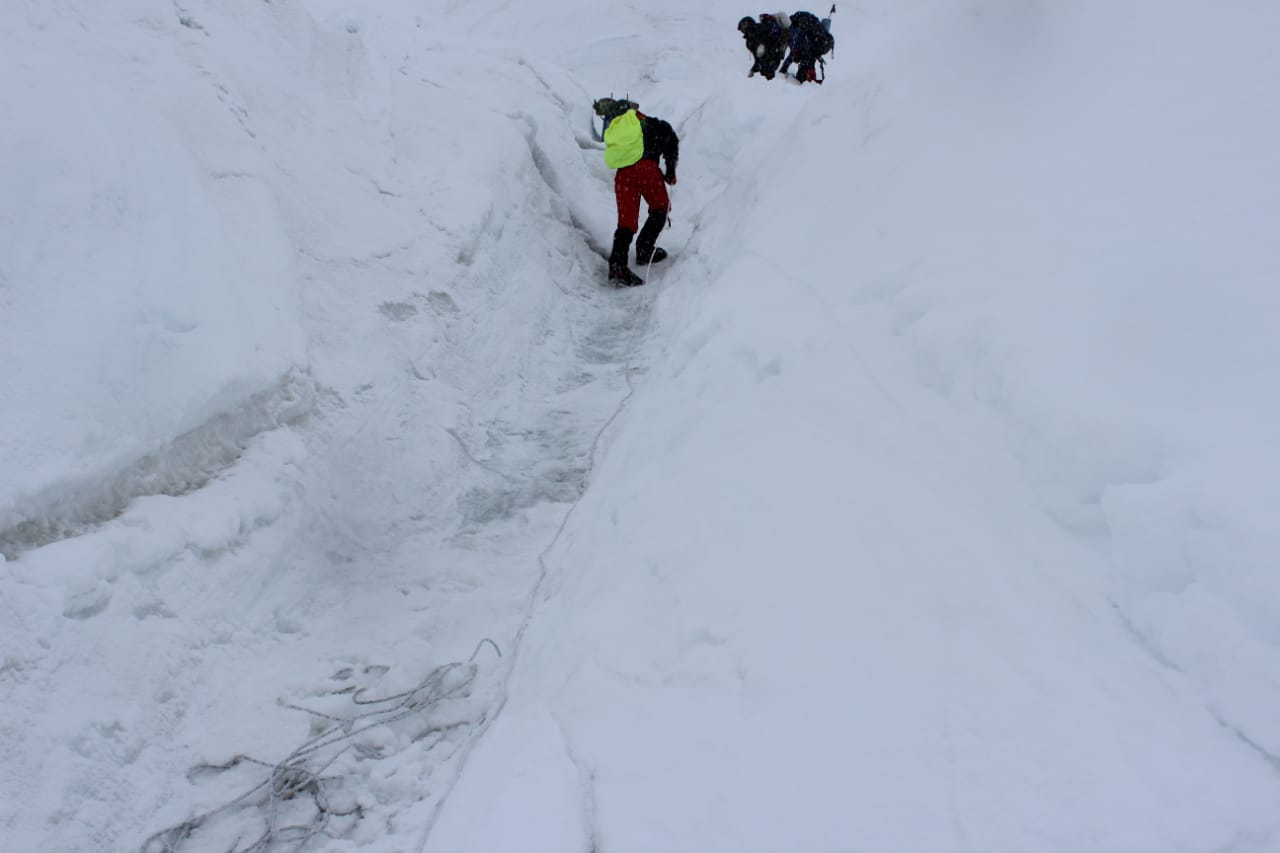
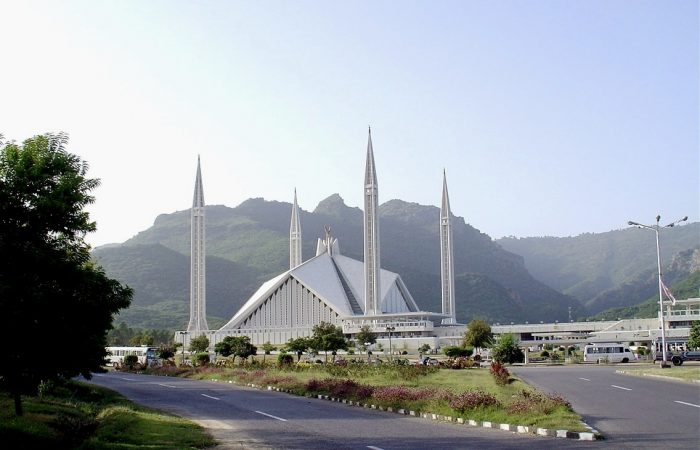
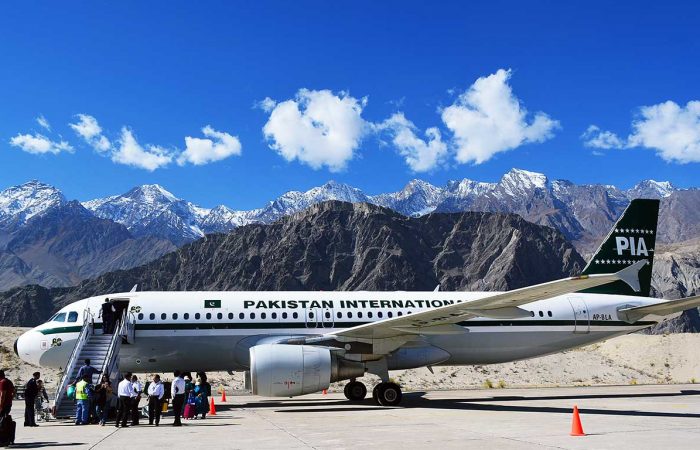
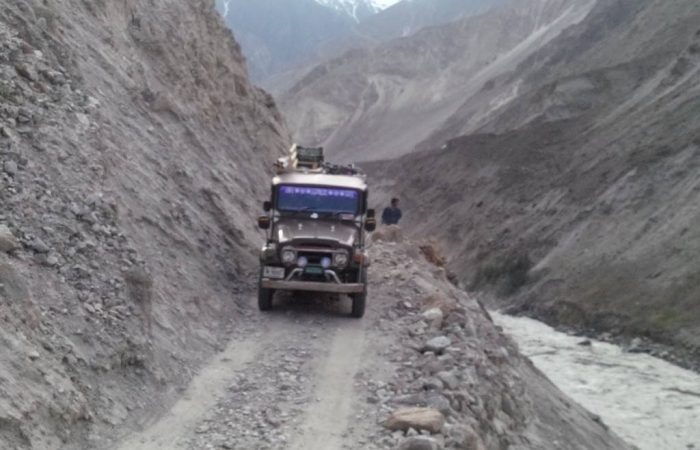
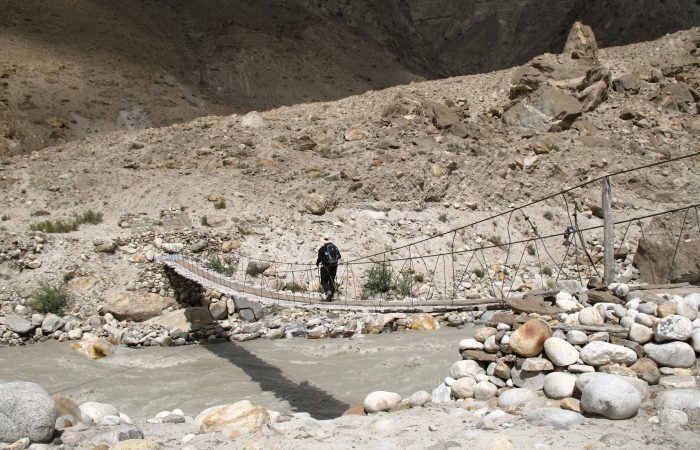
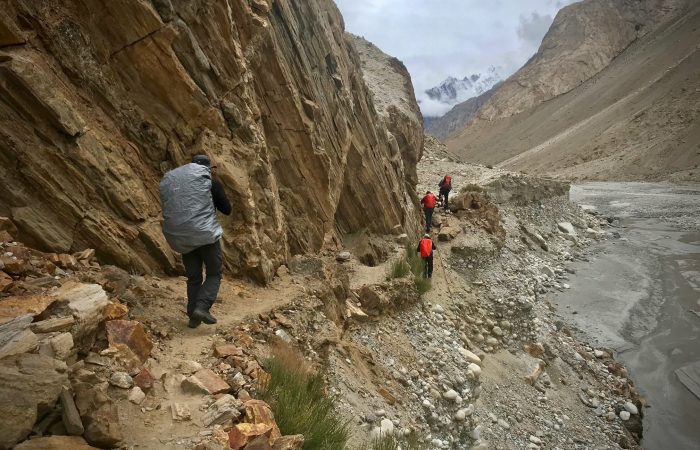
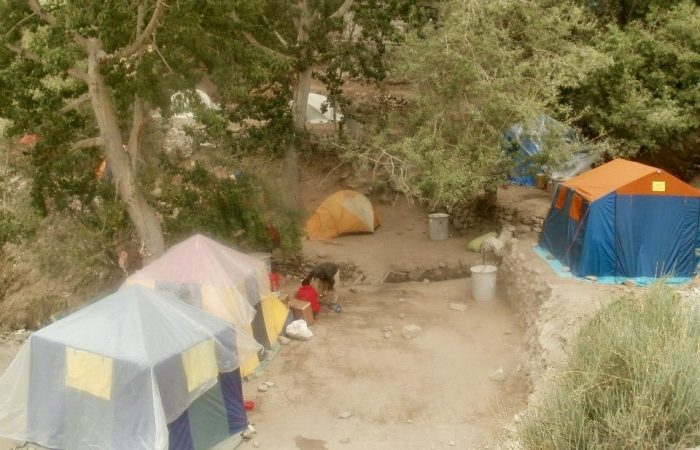
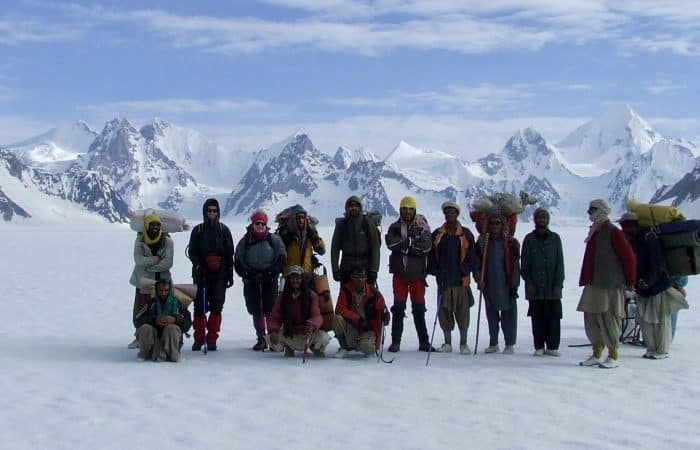
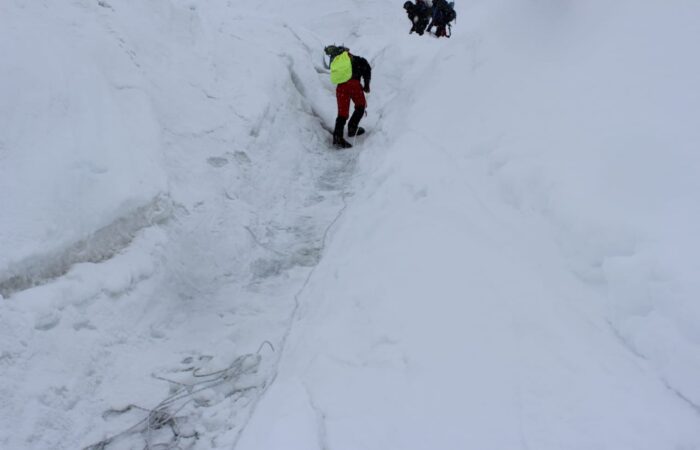
Snow Lake-Hispar La trek journey starts from Islamabad, the capital city of Pakistan. Night stay in Islamabad, and the next day, we fly to Skardu and drive through the Shigar valley to reach Askole. Spend the first night in your sleeping bag under the stars, and the next morning, we trek towards K2 base camp in the central Karakoram National Park. Snow Lake Biafo Glacier Treks usually begin by following the K2 base camp and Gondogoro La trail towards the Baltoro glacier. Once we reach the snout of the Biafo Glacier, we move towards the west onto the Biafo Glacier. The trek of the next few days chases loose rocky moraine crests on the Biafo glacier. We set up camps behind the lateral moraine in the grassy areas of Namla, Mango, and Baintha. From the Baintha campsite, we move on the glacier by following the broad ice highway. It is easier to walk on the glacier than on the previous rocky ridges in the trek.
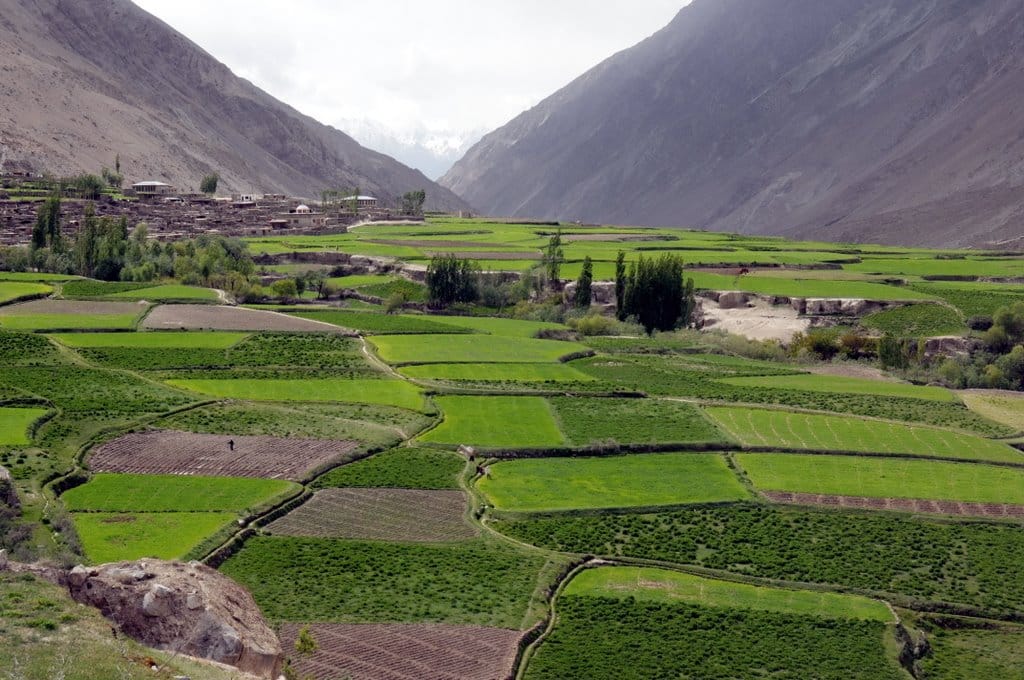
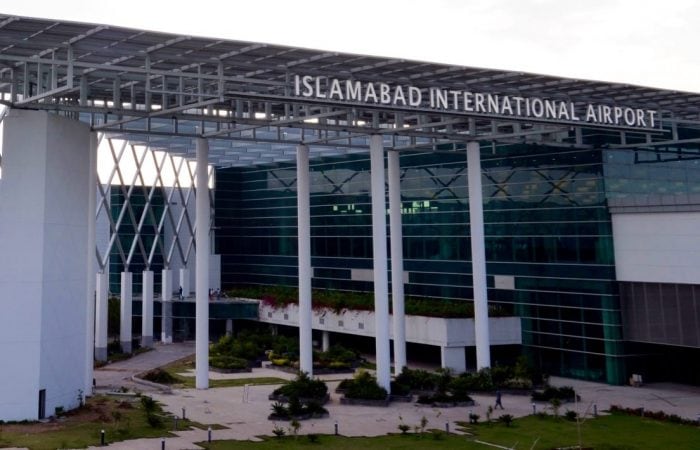
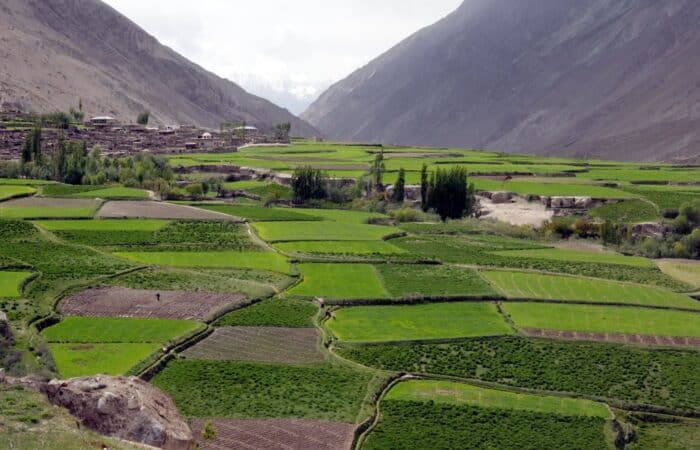
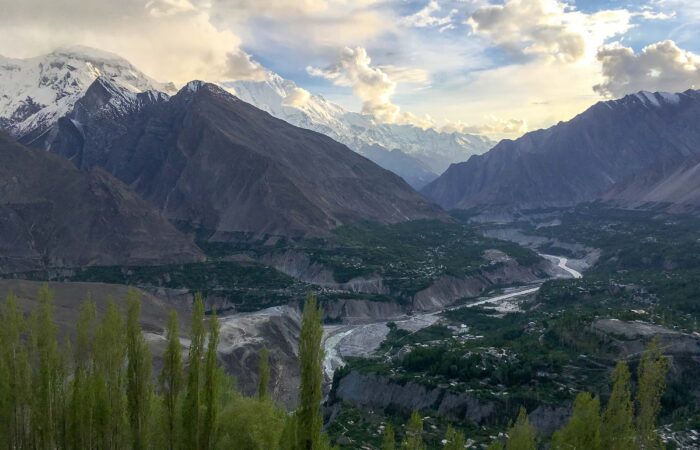
After reaching the elevated point on the Hispar pass (altitude 5151m), which gives a panoramic view of the ice cap and snow-covered Karakoram mountains of Pakistan. After enjoying the panoramic view of the snow lake,” the highway of ice”, and started descending towards Hunza valley. We complete the traverse by arriving at Hispar village in the Hunza valley. People of this valley speak a different language and are rich in a unique culture, which is entirely different from Baltistan. After doing a self-guided tour of Ali Abad, we will drive from Hunza towards Gilgit with scenic views of Rakaposhi mountains and flowing streams. From Gilgit, we return to Islamabad either by jeep or plane. Night stay in our group hotel in Islamabad, and the next day we will transfer you to Islamabad International Airport for your departure flight back to your home country.
Stay Longer in Pakistan:
Venture further to the south to see many cultural sights, explore Lahore and Multan in search of history and tradition, or simply extend your stay and explore the Kalash and Chitral valleys on the way back to Islamabad.
PK +92 345 6025104 | PK +92 51 4801951
[email protected]